Mold Detection in Rockwall, TX
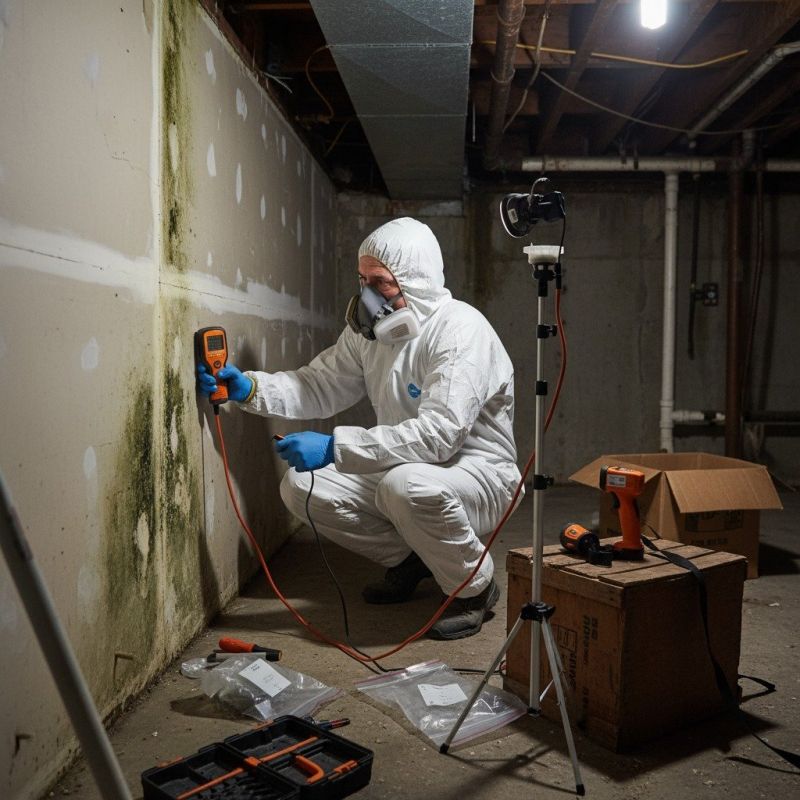
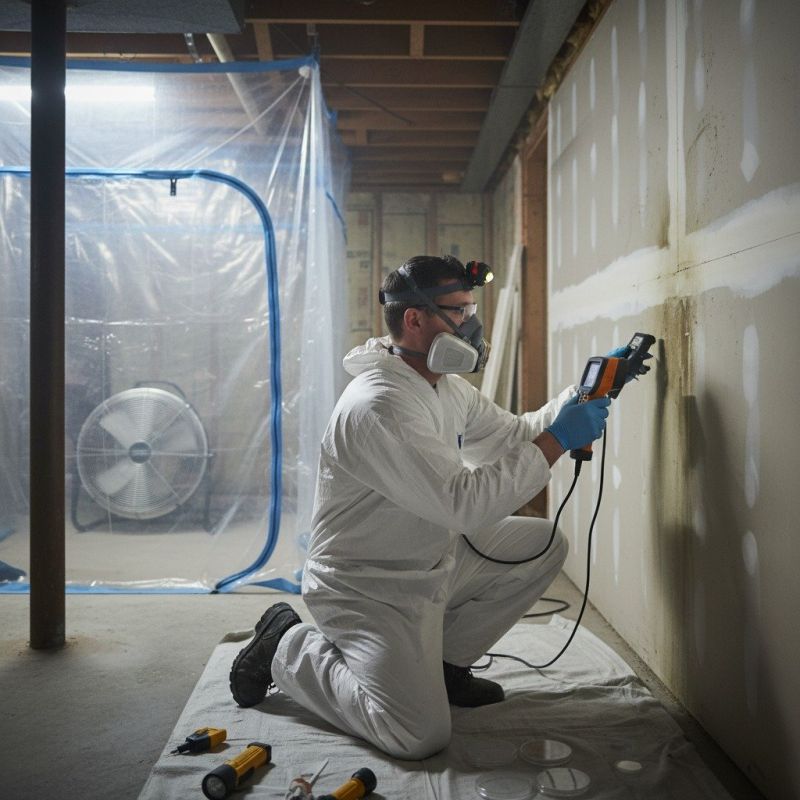
Mold detection services involve assessing indoor environments for the presence of mold growth, which can sometimes be hidden behind walls, under flooring, or within insulation. These services are commonly requested for residential projects such as after water damage, leaks, or visible mold concerns. Property owners typically seek mold detection to identify the extent of mold growth, determine if it is affecting air quality, or to confirm whether a suspected problem is mold-related before proceeding with remediation efforts.
Before requesting mold detection, homeowners often want to understand the scope of the inspection, including what areas will be checked and whether samples will be taken for laboratory analysis. It’s also common to inquire about potential sources of moisture that could contribute to mold growth. Clear communication about concerns and specific areas of suspicion can help ensure the inspection addresses all relevant issues, providing peace of mind and guidance for any necessary follow-up steps.
Many property owners in Rockwall, TX look into Mold Detection for repairs, replacements, upgrades, and appearance-related improvements.
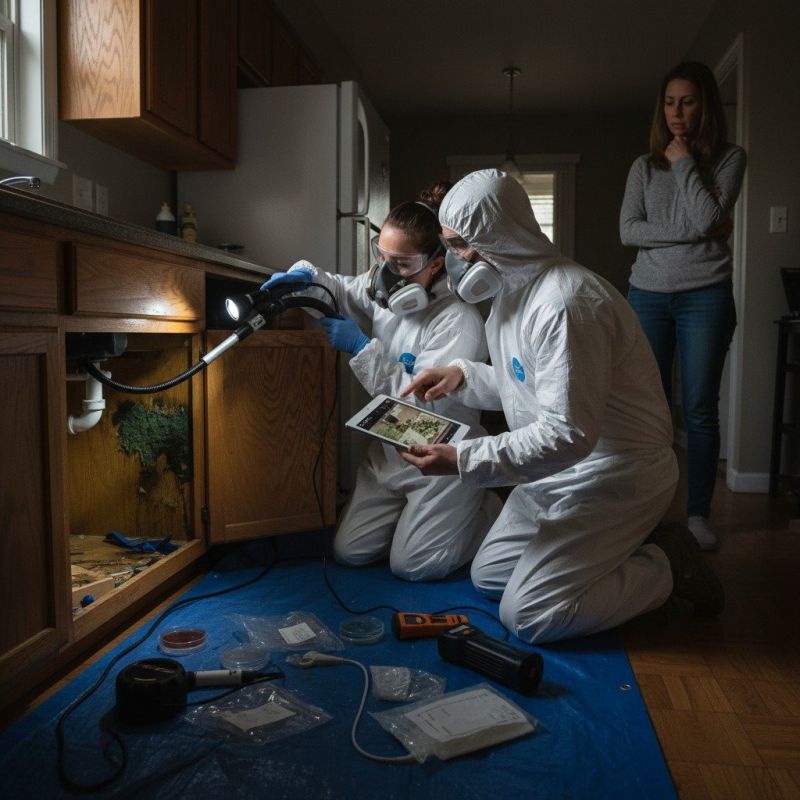
Identifying Mold In Your Home
Detect hidden mold growth that can affect indoor air quality and property value.
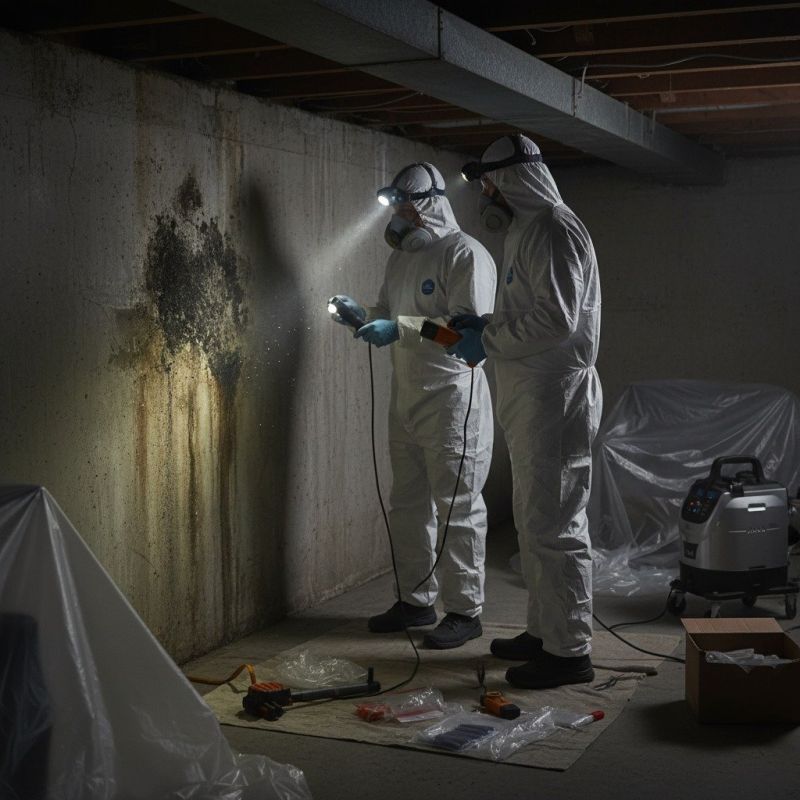
Understanding Mold Risks
Learn about common causes of mold and how it can impact health and property integrity in rockwall, tx.
Preventing Mold Growth
Discover effective strategies to minimize moisture and prevent mold development in residential and commercial spaces.
Mold Detection in Rockwall, TX

Mold detection services involve assessing indoor environments for the presence of mold growth, which can sometimes be hidden behind walls, under flooring, or within insulation. These services are commonly requested for residential projects such as after water damage, leaks, or visible mold concerns. Property owners typically seek mold detection to identify the extent of mold growth, determine if it is affecting air quality, or to confirm whether a suspected problem is mold-related before proceeding with remediation efforts.
Before requesting mold detection, homeowners often want to understand the scope of the inspection, including what areas will be checked and whether samples will be taken for laboratory analysis. It’s also common to inquire about potential sources of moisture that could contribute to mold growth. Clear communication about concerns and specific areas of suspicion can help ensure the inspection addresses all relevant issues, providing peace of mind and guidance for any necessary follow-up steps.
Many property owners in Rockwall, TX look into Mold Detection for repairs, replacements, upgrades, and appearance-related improvements.
Common Mold Detection Jobs
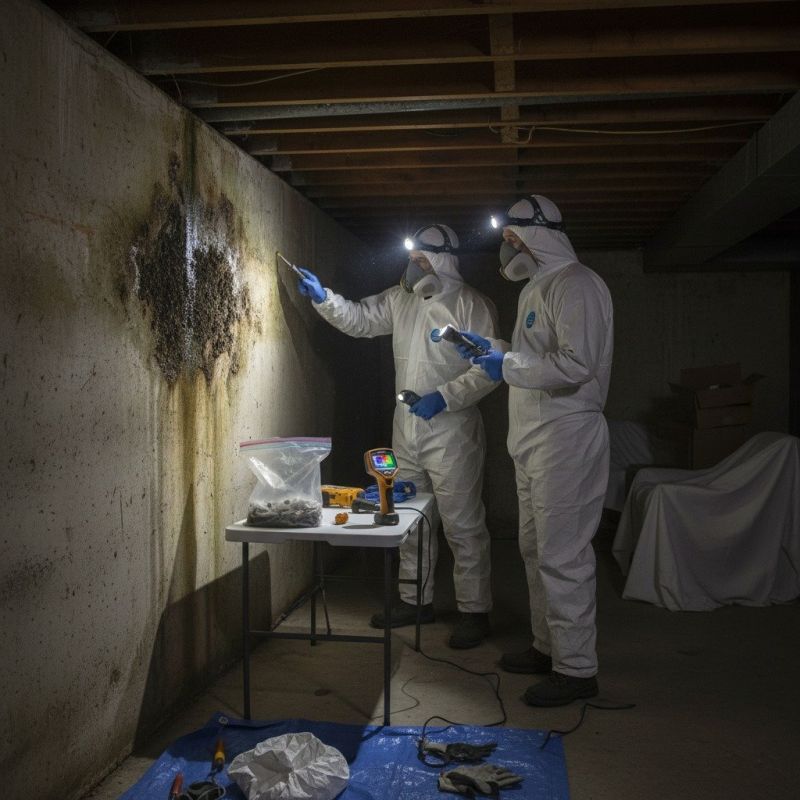
Mold Inspection - identifies areas with potential mold growth inside the property.
Air Quality Testing - measures mold spores and moisture levels in indoor air.
Surface Sampling - collects samples from walls, ceilings, and other surfaces for mold analysis.
Moisture Assessment - detects hidden sources of excess moisture that promote mold growth.
Post-Remediation Testing - verifies that mold levels have been reduced after cleanup efforts.
Hidden Mold Detection - locates mold in hard-to-see areas behind walls and under flooring.
Mold Detection Questions
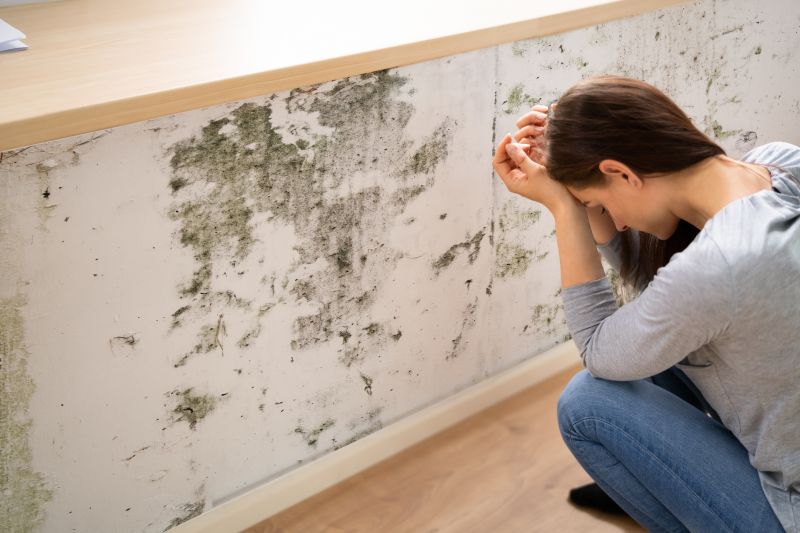
What are signs of mold presence in a property? Visible mold growth, musty odors, or water damage are common indicators of mold issues in a home or building.
Why is mold detection important for property owners? Detecting mold early helps prevent health problems and structural damage caused by hidden mold growth.
What areas are typically tested during mold detection services? Common testing areas include bathrooms, basements, attics, and areas with water leaks or high humidity.
How does mold detection help in maintaining a property? It identifies hidden mold sources, allowing for targeted removal and preventing future growth.
Request Mold Detection in Rockwall, TX
Use the quote form on this page to share the basics of your project and request more information for the type of work you need.