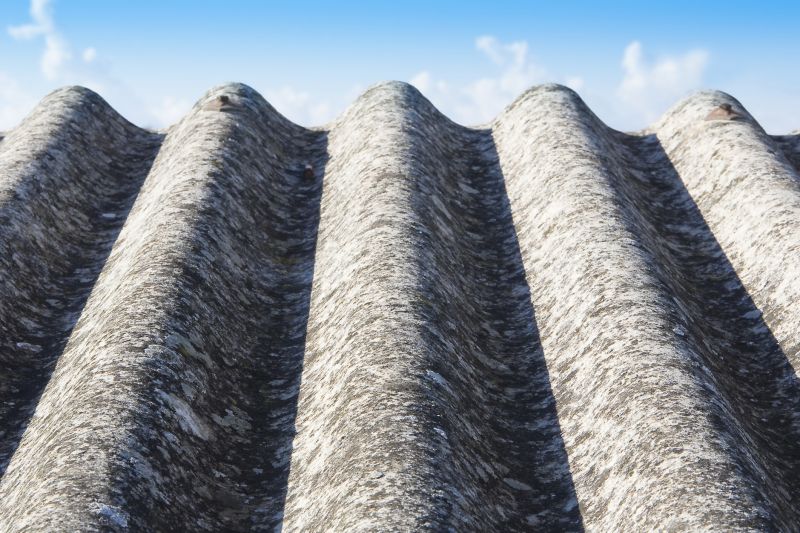
Asbestos Encapsulation in Freehold, NJ
Asbestos encapsulation is a process designed to contain asbestos-containing materials in a way that prevents the release of fibers into the air. This service is commonly used on surfaces such as pipe insulation, roofing materials, or flooring that may be deteriorating or disturbed during renovations. Encapsulation involves applying a specialized sealant or covering to the asbestos surface, effectively sealing in the fibers and reducing the risk of exposure. Property owners often request this service when asbestos cannot be safely removed or when a less invasive option is preferred to address existing asbestos hazards.
Homeowners and property owners considering asbestos encapsulation typically want to understand the scope of the project, including which materials can be safely encapsulated and the longevity of the sealant used. It is important to evaluate the condition of the asbestos-containing materials and determine whether encapsulation is appropriate or if removal might be necessary. Clarifying the specific areas involved, the potential impact on property use, and any necessary preparation steps can help ensure the encapsulation process aligns with safety standards and property management goals.
Many property owners in Freehold, NJ look into Asbestos Encapsulation for repairs, replacements, upgrades, and appearance-related improvements.
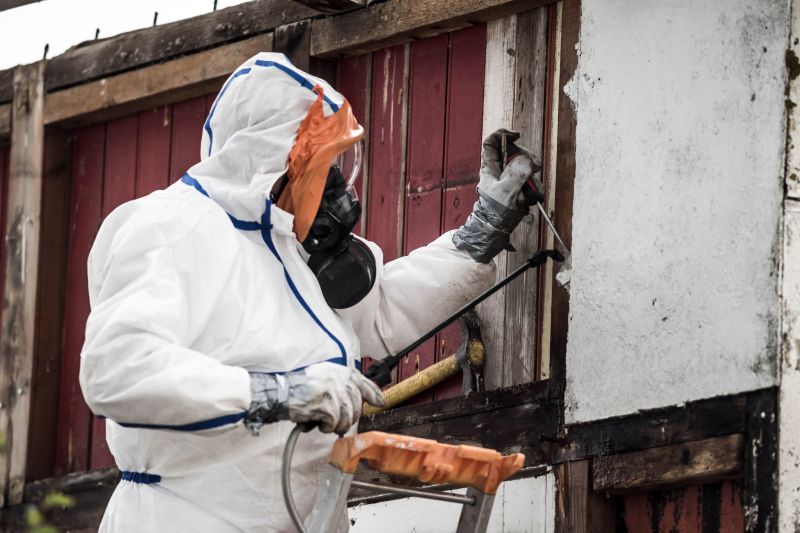
Asbestos Encapsulation Benefits
Encapsulation helps contain asbestos fibers and reduces the risk of exposure in residential and commercial properties.
Common Encapsulation Applications
This service is often used in attics, walls, and ceilings where asbestos-containing materials are present.
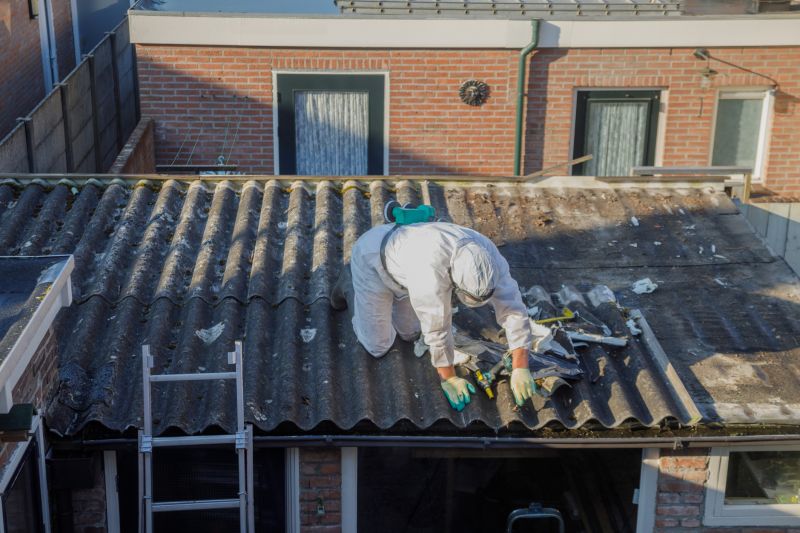
Why Choose Encapsulation
It provides a safe, cost-effective alternative to removal for managing asbestos in existing structures in freehold, nj.
Asbestos Encapsulation in Freehold, NJ

Asbestos encapsulation is a process designed to contain asbestos-containing materials in a way that prevents the release of fibers into the air. This service is commonly used on surfaces such as pipe insulation, roofing materials, or flooring that may be deteriorating or disturbed during renovations. Encapsulation involves applying a specialized sealant or covering to the asbestos surface, effectively sealing in the fibers and reducing the risk of exposure. Property owners often request this service when asbestos cannot be safely removed or when a less invasive option is preferred to address existing asbestos hazards.
Homeowners and property owners considering asbestos encapsulation typically want to understand the scope of the project, including which materials can be safely encapsulated and the longevity of the sealant used. It is important to evaluate the condition of the asbestos-containing materials and determine whether encapsulation is appropriate or if removal might be necessary. Clarifying the specific areas involved, the potential impact on property use, and any necessary preparation steps can help ensure the encapsulation process aligns with safety standards and property management goals.
Many property owners in Freehold, NJ look into Asbestos Encapsulation for repairs, replacements, upgrades, and appearance-related improvements.
Common Asbestos Encapsulation Jobs
Asbestos Encapsulation - A protective coating applied to asbestos-containing materials to prevent fiber release.
Attic Insulation - Sealing or coating attic materials to contain asbestos and improve energy efficiency.
Pipe Insulation - Encapsulating asbestos pipe insulation to prevent deterioration and fiber release.
Ceiling and Wall Coatings - Covering asbestos-laden surfaces to reduce health risks and contain fibers.
Floor Tile and Mastic - Sealing asbestos flooring materials to prevent fibers from becoming airborne.
Vermiculite Insulation - Encapsulating or sealing vermiculite insulation to minimize disturbance and exposure.
Asbestos Encapsulation Questions
What is asbestos encapsulation? Asbestos encapsulation involves sealing or coating asbestos-containing materials to prevent fiber release and reduce health risks.
When is encapsulation recommended? Encapsulation is suitable when asbestos materials are in good condition but need to be contained to prevent deterioration or disturbance.
Are there different types of encapsulation? Yes, common methods include spray-applied coatings, encapsulating paints, and sealing with specialized membranes.
Is encapsulation a permanent solution? Encapsulation can effectively contain asbestos fibers, but it may require inspection and maintenance over time to ensure continued effectiveness.
Request Asbestos Encapsulation in Freehold, NJ
Use the quote form on this page to share the basics of your project and request more information for the type of work you need.