Asbestos Encapsulation in Essex County, NJ
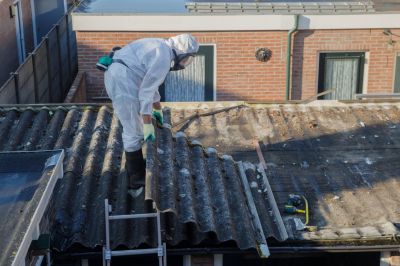
Asbestos encapsulation is a process designed to safely contain asbestos-containing materials within a property, preventing the release of harmful fibers into the air. This service is commonly used in situations where asbestos cannot be removed without extensive disturbance or demolition. Projects may include sealing asbestos in flooring, roofing, siding, or insulation, effectively creating a protective barrier that minimizes health risks. Property owners typically want to understand whether encapsulation is appropriate for their specific situation, the types of materials involved, and the potential benefits of avoiding removal while still ensuring safety.
Before requesting asbestos encapsulation, property owners should assess the condition of existing asbestos materials and consider factors such as age, damage, and potential for disturbance. It is important to know that encapsulation is often a preferred option for maintaining asbestos in place when it is in good condition, but it may not be suitable if materials are deteriorating or damaged. Clarifying the scope of the project, understanding the materials involved, and ensuring proper containment methods are key points to discuss when exploring encapsulation services.
Many property owners in Essex County, NJ look into Asbestos Encapsulation for repairs, replacements, upgrades, and appearance-related improvements.
Asbestos Encapsulation Solutions
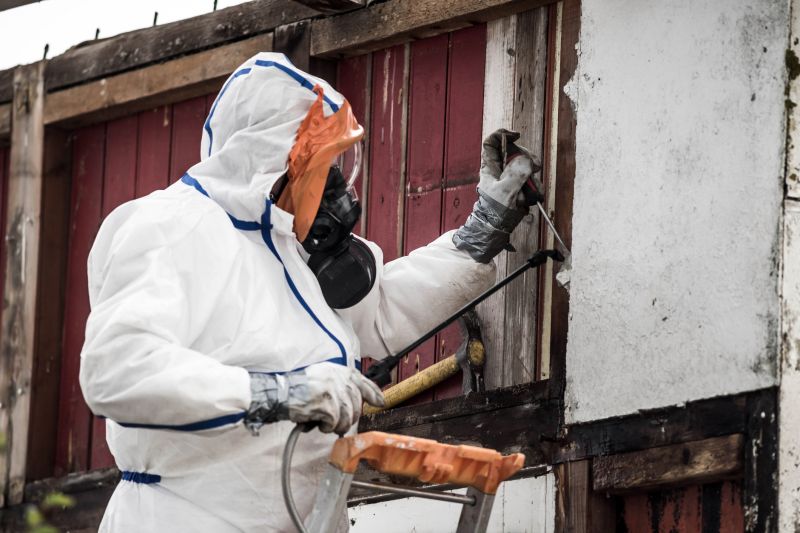
Encapsulation provides a safe barrier to prevent asbestos fibers from becoming airborne in essex county homes.
Benefits Of Asbestos Encapsulation
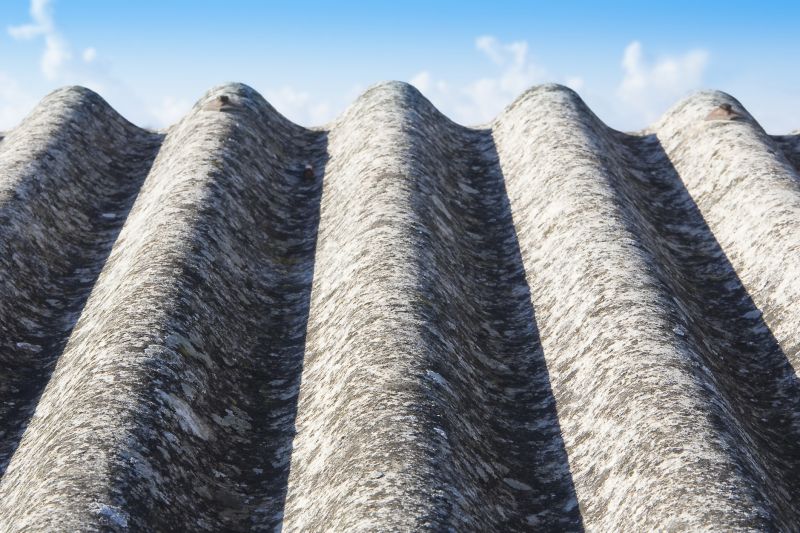
This method helps maintain building integrity while reducing health risks associated with asbestos exposure.
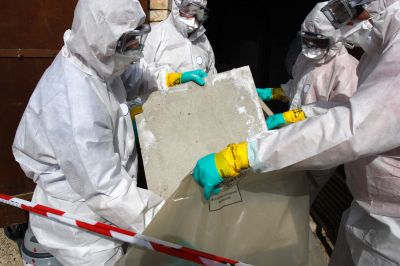
Common Encapsulation Projects
Encapsulation is often used in attics, walls, and ceilings with asbestos-containing materials in residential and commercial properties.
Asbestos Encapsulation in Essex County, NJ

Asbestos encapsulation is a process designed to safely contain asbestos-containing materials within a property, preventing the release of harmful fibers into the air. This service is commonly used in situations where asbestos cannot be removed without extensive disturbance or demolition. Projects may include sealing asbestos in flooring, roofing, siding, or insulation, effectively creating a protective barrier that minimizes health risks. Property owners typically want to understand whether encapsulation is appropriate for their specific situation, the types of materials involved, and the potential benefits of avoiding removal while still ensuring safety.
Before requesting asbestos encapsulation, property owners should assess the condition of existing asbestos materials and consider factors such as age, damage, and potential for disturbance. It is important to know that encapsulation is often a preferred option for maintaining asbestos in place when it is in good condition, but it may not be suitable if materials are deteriorating or damaged. Clarifying the scope of the project, understanding the materials involved, and ensuring proper containment methods are key points to discuss when exploring encapsulation services.
Many property owners in Essex County, NJ look into Asbestos Encapsulation for repairs, replacements, upgrades, and appearance-related improvements.
Common Asbestos Encapsulation Jobs
Asbestos Encapsulation - A method to seal asbestos-containing materials and prevent fiber release.
Attic Insulation - Encapsulation can be applied to attic insulation to contain asbestos fibers.
Flooring and Tiles - Encapsulation provides a protective coating over asbestos floor tiles and backing.
Pipe Insulation - Sealing asbestos pipe insulation to reduce the risk of fiber disturbance.
Ceiling and Wall Coatings - Applying encapsulants to asbestos ceilings and wall materials for containment.
Structural Elements - Encapsulation helps secure asbestos in structural components and prevent deterioration.
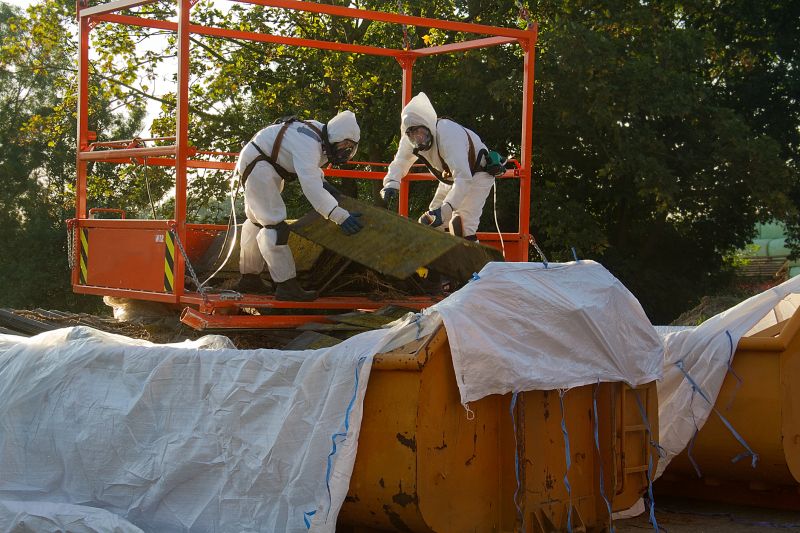
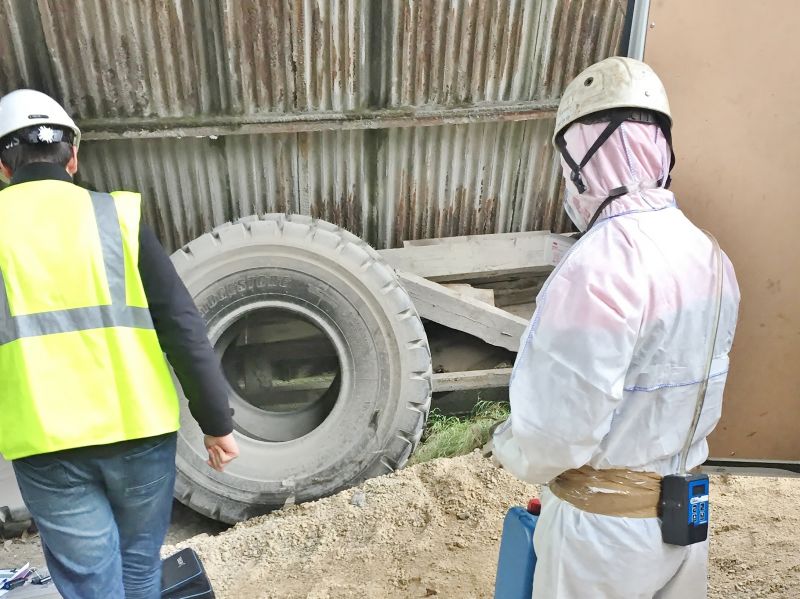
Asbestos Encapsulation Questions
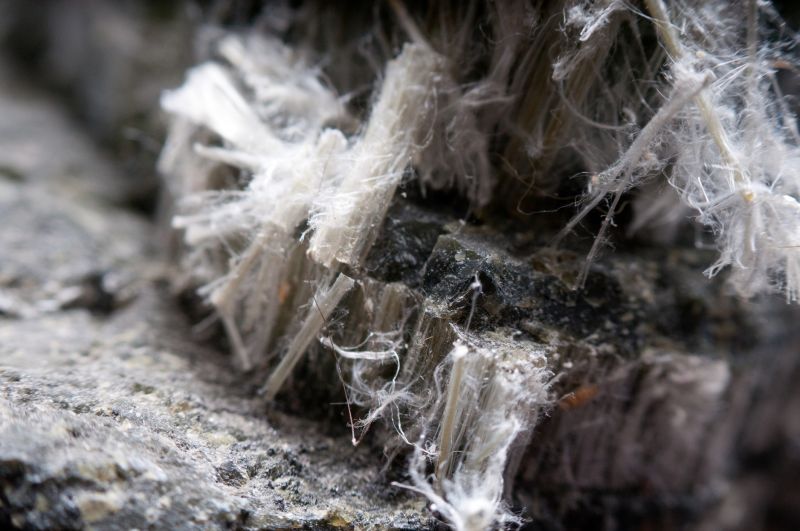
What is asbestos encapsulation? Asbestos encapsulation involves applying a protective coating over existing asbestos materials to prevent fiber release and contain the hazard.
When is encapsulation recommended? Encapsulation is suitable when asbestos-containing materials are in good condition but may become damaged or disturbed over time.
Does encapsulation eliminate asbestos risk? Encapsulation reduces the risk by sealing fibers, but it does not remove asbestos from the property.
What types of asbestos materials can be encapsulated? Commonly encapsulated materials include flooring, roofing, and pipe insulation containing asbestos fibers.
Request Asbestos Encapsulation in Essex County, NJ
Use the quote form on this page to share the basics of your project and request more information for the type of work you need.